

What is Composr?

Composr is a powerful and flexible CMS (Content Management System) designed to enable the creation of fully featured websites, including blogs, business websites, and community portals. It supports advanced features like multi-language support, file management, and extensive templating and customization options, making it one of the most comprehensive CMS platforms available.
Softaculous helps you install web applications very easily. Please, follow the steps below to install Composr:
Step 1. Log in to your cPanel account.
Step 2. In the Software section, click on Softaculous Apps Installer.
Step 3. cPanel will redirect you to the Softaculous interface.
Step 4. On the left side, locate the Portal/CMS category. Click on it and then select Composr.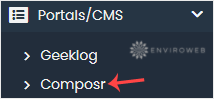
Step 5. Click on Install.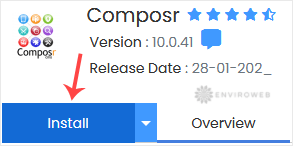
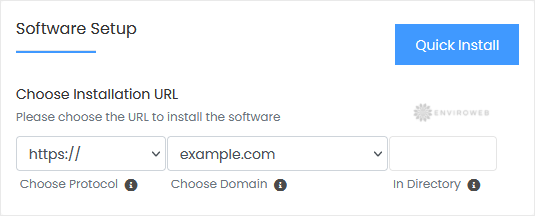
Step 6. Fill in the necessary fields under the Software Setup section:
- Choose Installation URL: Choose the appropriate protocol/domain. Inside the "In Directory" field, should you want to install this in a directory, i.e., example.com/directory, enter the directory name. Otherwise, please, leave it blank to install in your main domain, i.e., example.com.
Step 7. Under the Site Settings field, enter the following information:
- Site Name: Enter the name of your website, such as Composr.
Step 8. Under the Admin Account field, enter the following information:
- Admin Username: Your new Composr username (for security reasons, do not use the "administrator" or "admin" username).
- Admin Password: Use a strong password.
- Admin Email: Your e-mail address.
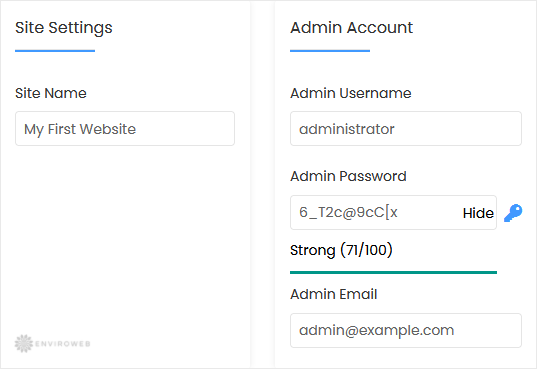
Note: Copy the admin username and password to Notepad. You will need those to access the admin area of your Composr website later.
Step 9. Advanced Options: Leave this section as is unless you want to change the database name or enable automated backups. Please note that creating frequent backups may consume a significant amount of disk space.
Finally, scroll down to the end of the page and click on Install.